
Under-sink reverse osmosis drinking water systems
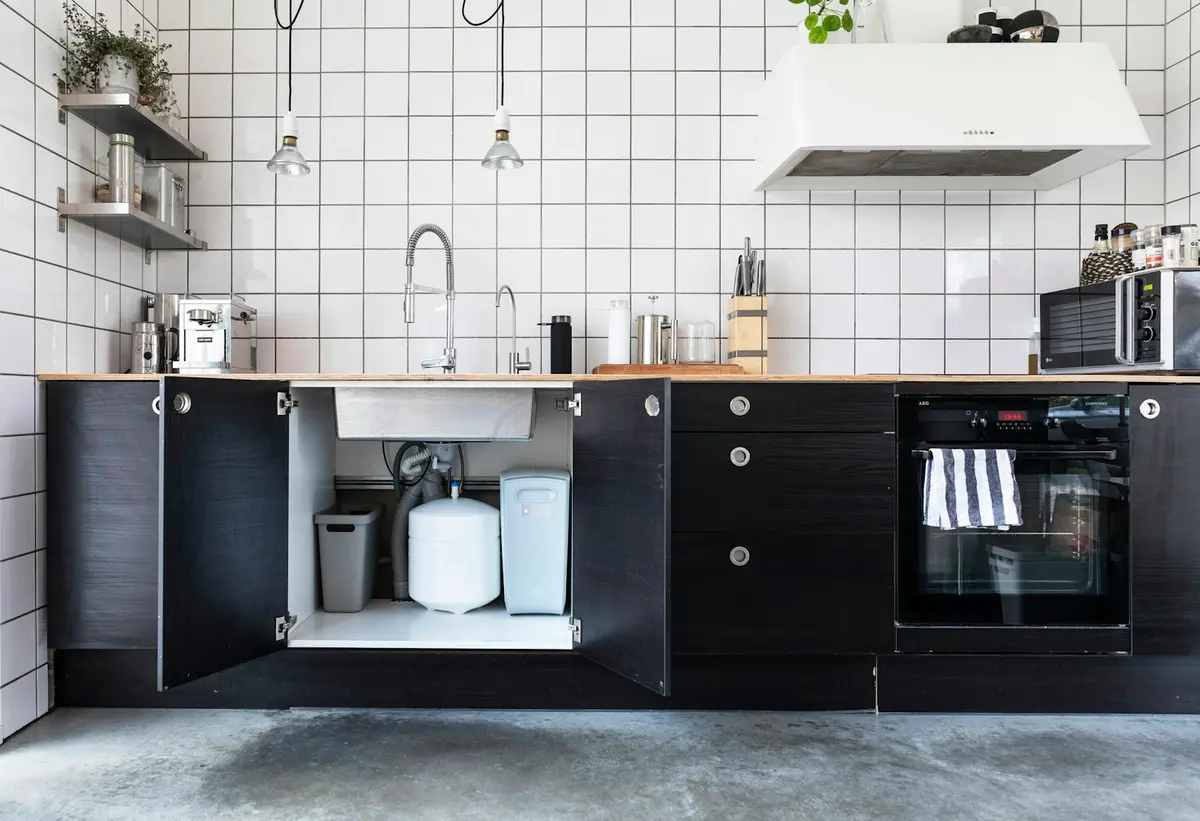
A separate tap at the kitchen sink for drinking and cooking. Reverse osmosis takes out what carbon and softening leave behind, including PFAS, nitrates and dissolved solids.
What reverse osmosis removes that nothing else does
Water gets pushed through a membrane with pores small enough to block dissolved contaminants that a carbon filter passes straight through. That covers PFAS, nitrates, lead, arsenic, and total dissolved solids generally.
This matters in Broward because the Biscayne Aquifer is shallow, which makes it more exposed to what's on the surface above it. Utilities pulling from it and treating with chloramine alone carry the highest PFAS exposure in the region.
Why reverse osmosis goes under the sink
Whole-house RO exists, and for most homes it's the wrong purchase. RO is slow and it sends some water to drain, so treating every gallon that flushes a toilet or waters the lawn wastes both money and water.
You drink and cook with a small fraction of what the house uses. Treating that fraction properly at the kitchen tap is a much smaller system, and gets you better water where it counts.
The stages, and what each one is for
A typical under-sink system runs four or five stages: sediment first to protect the membrane, carbon to strip chlorine or chloramine which would otherwise destroy the membrane, the RO membrane itself, then a polishing carbon stage on the way to the tap.
Many systems add remineralization at the end. RO strips minerals along with contaminants, and the result tastes flat to some people. A remineralization cartridge puts back a small amount of calcium and magnesium for taste.
Where we install it
We cover west Broward. Each city sits on a different supply, so the same equipment gets sized differently depending on where you are.
Related guides
Sources EPA · EWG
- EPA: PFAS National Primary Drinking Water Regulation Federal PFAS drinking water standards and approved treatment technologies, including reverse osmosis.
- EWG Tap Water Database Utility-reported contaminant data compared against EWG's health-based guidelines.
Questions about reverse osmosis
How often do the filters need changing?
Pre-filters every six to twelve months, membrane every two to five years. The pre-filters matter most: a clogged carbon stage lets chloramine reach the membrane and ruin it, which turns a routine filter change into a membrane replacement.
Does RO waste a lot of water?
Older systems sent three or four gallons to drain per gallon produced. Modern units run closer to one to one. Since it's only treating drinking and cooking water, the household total stays small either way.
Do I still need a whole-house filter if I have RO?
They do different jobs. RO treats the water you drink. Whole-house filtration treats the water you shower in, wash clothes in and run through the ice maker. Most Broward homes want both, and the whole-house carbon also protects the RO membrane by removing chloramine upstream.
Will it fit under my sink?
Almost always. A standard four-stage system with tank takes roughly the space of a small bin. Tight cabinets or a garbage disposal can complicate it, and the cabinet should be checked before install day.
Find out what's in your water
A free, no-obligation water test at your home, so any recommendation is based on your water.